Understanding Natural Light: A Complete Guide for Photographers
Why Natural Light Is Your Most Trusted Ally
Let’s begin with a truth: natural light doesn’t need to be perfect — it just needs to be seen.
As photographers, we often chase artificial setups or expensive equipment. But the most beautiful images are rarely born from gear alone — they’re shaped by awareness, patience, and a deep understanding of light.
Natural light isn’t just "available" — it’s alive. It changes with the hour, the season, and even your mood. When you learn to listen to it, you don’t just take photos — you collaborate with the world.
Let’s walk through how to read and work with light, not just as a tool — but as an artistic partner.
🌅 Golden Hour: When Light Becomes Poetry
The hour after sunrise and just before sunset — known as “golden hour” — isn’t a myth. It’s real magic.
The sun glides low across the horizon, casting warm, golden light that wraps around your subject like a soft embrace. Shadows lengthen gently, textures emerge with grace, and skin tones glow naturally.
👉 Pro Tip: For portraits, position your subject so the light wraps around their face from the side. This subtle directional glow adds dimension without harsh contrast.
This is not just a time of day — it’s an invitation to slow down, observe the world, and let light lead your composition.
🔵 Blue Hour: The Quiet Elegance of Transition
Before dawn breaks and after dusk settles, there’s a hush — the "blue hour."
The sky cools to deep indigo and slate, creating a soft, even light that’s perfect for cityscapes, architecture, and moody urban scenes.
No harsh highlights. No blown-out skies. Just a calm balance — like nature’s pause before the day begins.
👉 Why it matters: Blue hour light reveals detail in shadows while keeping highlights gentle. Use a tripod and longer exposures to capture the quiet rhythm of city lights beginning to flicker on.
This isn’t just a technical trick — it’s a moment of stillness. Let your camera capture not just the scene, but the feeling.
☁️ Overcast Days: The Softbox That Was Always There
Clouds are not your enemy. In fact, they might be your best teacher.
Overcast skies act like a massive, natural softbox — diffusing sunlight evenly across your scene. No glaring highlights. No deep shadows.
This is golden for:
- Portraits (especially with delicate skin tones)
- Macro photography (where detail and softness matter)
- Environmental shots where you want to focus on emotion, not contrast
👉 Try this: Shoot a model in soft gray clouds with neutral tones. The even light will make their expression the true subject.
Remember: what you call “bad weather” might just be nature’s way of giving you a gift — even light, and the chance to focus on what really matters: connection.
☀️ Midday Sun: Not the Enemy — Just a Challenge
Yes, midday sun can be harsh. It flattens faces, bleeds colors, and creates unflattering shadows.
But here’s what most new photographers miss: harsh light isn’t a flaw — it’s a signal.
When the sun is high, shadows are short and sharp. This makes midday ideal for:
- Architectural photography (dramatic lines, strong geometry)
- Silhouettes and high-contrast compositions
- Finding open shade under trees or in doorways — nature’s built-in reflector
👉 Pro Insight: Use the sun not to fight it, but to frame it. Let sunlight stream through windows or between branches — create light lines that guide the viewer’s eye.
The key isn’t avoiding midday. It’s learning how to listen to what it offers.
🌞 Light Direction: The Hidden Language of Your Frame
How light hits your subject changes everything — not just brightness, but mood.
Here’s how to read the direction:
- Front Light: Even and flattering — great for storytelling, but can flatten features. Use a reflector or slight angle to add depth.
- Side Light: The artist’s favorite. It sculpts form, highlights texture (skin, fabric, bark), and draws attention to shape.
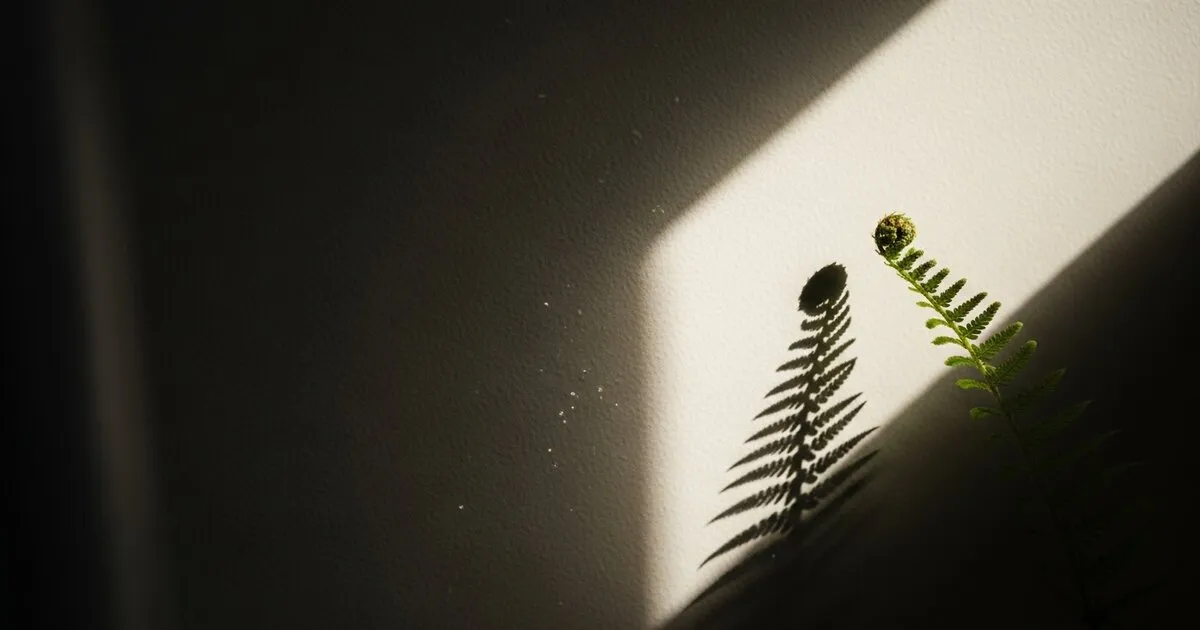
- Back Light: The dreamer’s light. Creates silhouettes, rim lighting, and ethereal halos around hair or edges.
👉 Try this: Next time you’re outdoors, stand in one spot and rotate 360°. Notice how your subject changes with every turn — not just in brightness, but in feeling.
Light tells stories. Your job is to understand the language.
🌟 Final Thoughts: Become a Light Listener
Photography isn’t just about what you point your camera at — it’s about when, where, and how you see.
Use apps like The Photographer's Ephemeris, Sun Surveyor, or even your phone’s weather app to track sunrise/sunset times and sun angles. But more importantly — go out at different hours.
Walk the same path at sunrise, midday, and blue hour. Watch how light changes not just your image — but your perception.
And when you’re ready to take it further, use Evalens to fine-tune your vision. Our tools help you visualize exposure, light direction, and even mood — so you’re not just shooting photos… you're creating moments.
Evalens App